
Lost at Sea
Today, a journey back and forth across the Atlantic, back and forth in time, with diverse ports of call and some rough weather along the way.

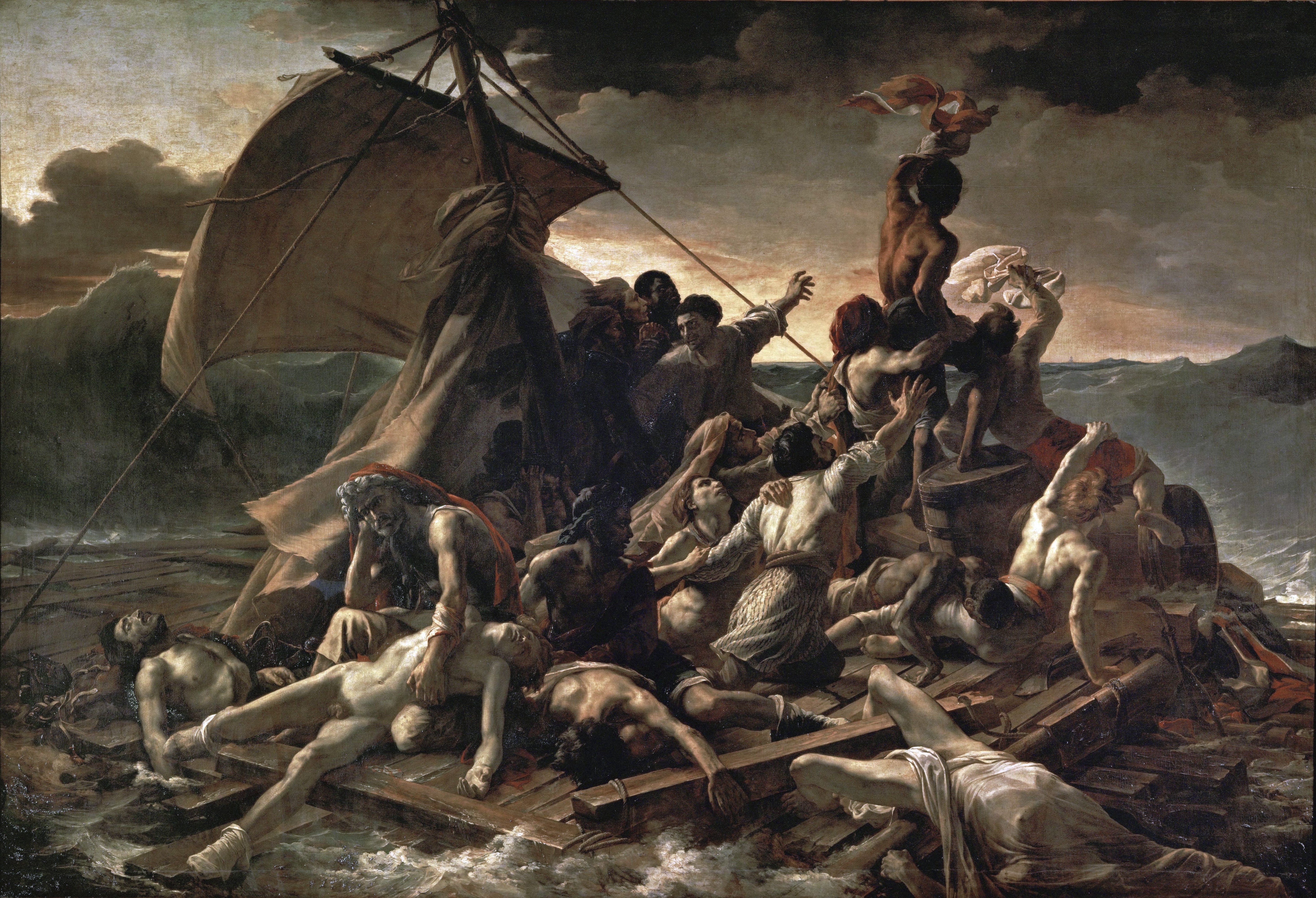
Boats make me seasick. They always have. At the time of my first sea voyage, I was seven or eight years old. The boat was a yacht. No, not the kind billionaires and trillionaires who don’t pay taxes flit around in today, dropping in on friends in the Virgin Islands or docking at luxury marinas in Saint-Tropez or Dubai (before the war). My first time at sea was on a modest yacht. Jeff Bezos, founder of Amazon and owner of a $250 million sailing yacht, might mistake if for a dinghy, but I assure you, at the dawn of the 1960’s, this boat was luxury.
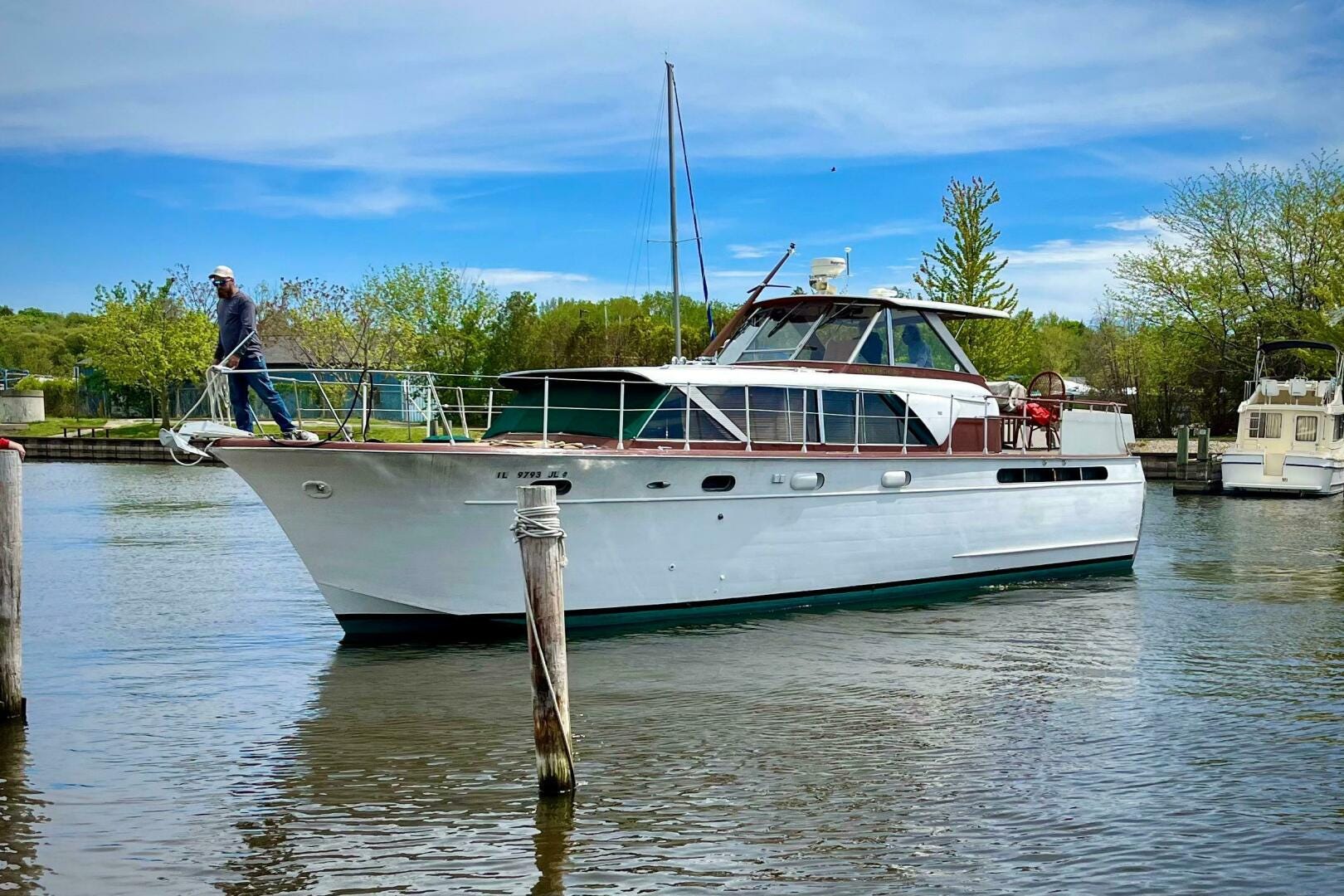
It sailed forth into the Atlantic from a marina in Wildwood, New Jersey, not far from the beach home of the real estate agent my dad was working for at the time. This job fell between my father’s stint in menswear at Pomeroy’s Department Store in downtown Pottsville and his move into discount retail (he managed Town&Country and the Miracle Mart, the first discount department stores to come to the Pottsville area, both built on the outskirts of town). In between, much like the superyachts of the superrich, my dad flitted from job to job.
Looking back, I wonder how we could have afforded a vacation at the shore. I think it’s because my two aunts had steady jobs. They came along and surely footed a part of the bill. How I loved going to the beach with my Aunt Mildred, principal of Yorkville School. She had, to use a favorite expression of my youth, “the patience of a saint.” She held my hand and ran with me into the surf for hours.
My aunt taught me to love the water. I had no fear of the waves, I let them toss me down, drag me on the bottom, and then toss me up again. I gulped down mouthfuls of saltwater, I gasped for breath. I loved it. No fear.
You might say I had fins and gills, but I did not have sea legs and did not know it till I boarded that yacht with my father. Just the two of us, the rest of the family left behind, for an afternoon at sea.
At sea. We sailed a short distance from the shore and then dropped anchor. The boat was going no further. Someone attached a ladder to the side. Children started jumping into the water and swimming around the boat. I loved the water but I couldn’t see the bottom. I was too afraid.
On the stern deck, a buffet was set up. It extended into the cabin, where it became a bar for the adults. They were having sophisticated mixed drinks. Someone offered me a Coke. I served myself from the buffet. The other children were in the water. The adults ignored me. I piled a paper plate with cupcakes and cookies, chips and pretzels. I sat down on a deckchair that had a drink-holder inserted in the armrest. My feet did not touch the ground. I got busy with a cupcake, delighted at the prospect of going back for more.
After another cupcake, a handful of chips, a couple of pretzels and some gulps of Coke, I realized the boat was moving. It was not going anywhere, but it was in motion, constantly rocking as the waves slapped the sides. Children kept jumping in the water, climbing up the ladder, and then jumping in again Sometimes, someone grabbed a cupcake, took a big bite, swallowed it, and jumped back in. I did not have a hat or sunglasses. The boat kept rocking, the children kept jumping and screaming, the sun beat down on my head and blinded my eyes.
Then it happened. A wave of dizzying nausea. My chest heaved. Everything I’d just eaten I vomited onto the deck (somehow having had the presence of mind to turn my head and not throw up on myself).
Time stood still. Women much more glamourous than my mother, wearing those cat-eye sunglasses women wore back then, gasped and raised a hand to their bare, tanned throats. I heard some ughs of disgust from the men. Whoever had brought such a disgusting child onto such an expensive piece of nautical real estate?
My father. He got down on his knees and starting cleaning up.
Until the anchor was lifted and the yacht made the short journey back to shore, worse than castaways, we were outcasts.
Life has borne out that I do not have sea legs. I like to be in the water but not on a boat.
Which—can you believe it!—brings me back once more to the Count. And to Conrad Weiser, to Heinrich Melchior Muhlenberg of Reading, to Francis Pastorius of Germantown, to my ancestors, those German coal miners who settled in Saint Clair in the early 1800’s, to Africans captured and sold into slavery, to the Irish fleeing the Great Potato Famine in 1845, to almost any immigrant arriving in Schuylkill County before the 1950’s. They all had one thing in common: they travelled by boat.
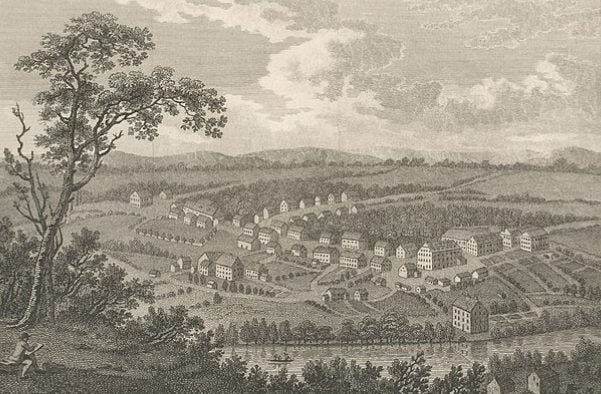
Pastorius completed the passage in 1683 and later described his travels to friends he’d left behind, a journey that lasted ten weeks, ten weeks of terror, with violent storms, the assault of whales, contrary winds, a boatman who went insane, and “hard fare,” salted meat and fish, rancid and inedible, water in short supply, and a foremast that broke twice. Miraculously no one died, but Pastorius, knocked to his side during a storm, had to keep to his bed “for some days.” Neither the six servants who travelled with him, nor his wealth could spare him the hardships of the passage. All were equal before the fury of the sea.
Surely Zinzendorf’s two voyages across the Atlantic were comparable in terrors, hardships, and the everpresent threat of death. During the worst of storms, the moments of greatest danger, the Moravians gathered together and sang, calming other passengers rightfully fearful for their lives.
Count von Zinzendorf’s first transatlantic crossing was in 1739. He sailed to the Danish colony of Saint Thomas, very close to Little Saint James, the island where Jeffrey Epstein, until his death in 2019, trafficked underage girls and entertained the rich and powerful, men such as Howard Lutnick, current Secretary of Commerce of the United States.
Moravians first arrived on Saint Thomas in 1732. They lived and worked with African slaves on Danish plantations. They were feared by plantation owners because slaves flocked to these Europeans who shared their hardships and their lives. To put an end to their influence, the governor of the island put many in jail.
This same governor bowed to the Count, a powerful aristocrat, and set the Moravians free, including a married couple, a Moravian from Herrnhut in Germany and a Moravian who was a freed slave.
Many Europeans who travelled to Saint Thomas never returned. Some died in passage; others succumbed to disease on the island. Before leaving Germany, the Count prepared his will and preached what he believed might be his last sermon. Yet, though frail of health, he resisted all hardships and in 1741 sailed again to North America. His destination was Pennsylvania, and he was accompanied by his daughter Benigna. Together they founded the settlement of Bethlehem. Benigna opened a school that became Moravian College.
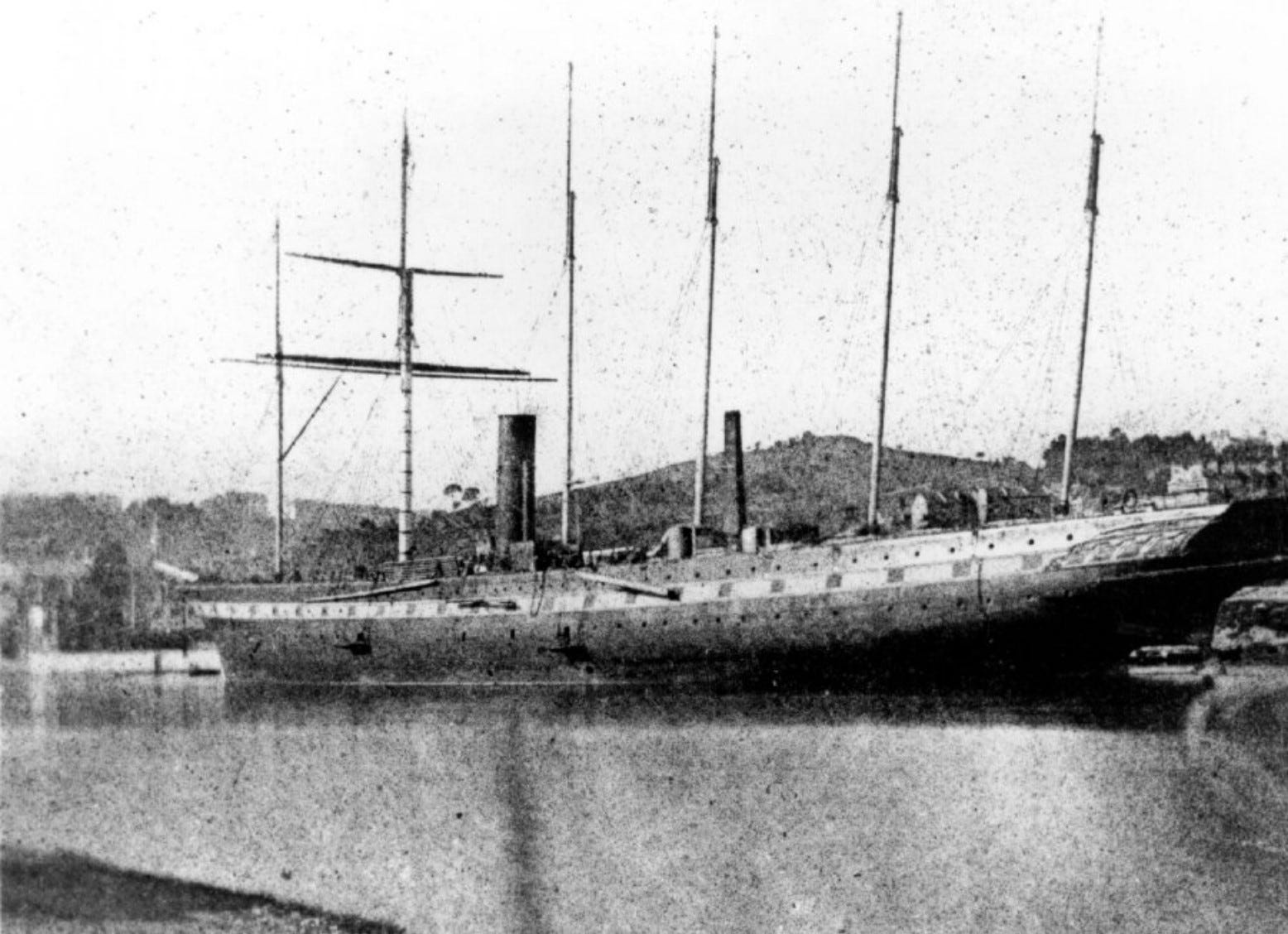
Throughout the 19th century, through improved technology, both sailing ships and steamships became more efficient, more seaworthy, and faster. The steam auxiliary ship, steam and wind power combined, sailed from Europe to China. By the 1880’s, steamships with triple expansion engines and double boilers were covering the distance from London to Australia with only one fueling stop for coal.
Africans forced into slavery, Irish men, women and children fleeing famine in Ireland, did not benefit from the improvements in ocean travel that marked their age. By the 1840’s, paddle-wheel steamers were crossing the Atlantic in two weeks, but such a voyage was for the wealthy. The Africans and the Irish were considered “ballast,” and though they did not sail together, they traveled on the same boats.
In 1833 the British abolished slavery. This marked the end of Britain’s triangular trade: manufactured goods sent from Great Britain to West Africa; enslaved Africans transported to North America; and then sugar, rum, coffee and cotton sent back to Britain. By the 1840’s, the vessels used to transport slaves were ready for the ship graveyard, yet they were recommissioned to carry the Irish to North America. Many sank to the bottom before they reached American shores.
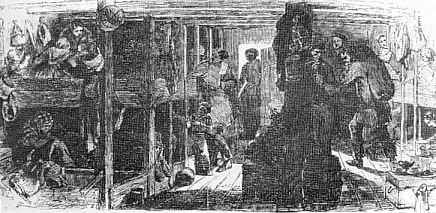
These boats were known as “coffin ships” for the very simple reason that each passenger, each piece of “ballast,” was allotted the space of a coffin in the ship’s hull, divided into holds with minimal headroom. Africans were chained to plank beds, the Irish were free to move above, but no one escaped disease or dehyrdation.
Initiated by the Portuguese in the mid-16th century, triangular trade, inseparable from the buying and selling of men, women, and children, the tearing apart of families, did not end in 1833. Ships transporting Africans to be sold as slaves continued to travel from West Africa to the United States and Brazil during the following decades. In three centuries, 12.5 million Africans were transported to the Americas; 15 to 25 percent died in transit.
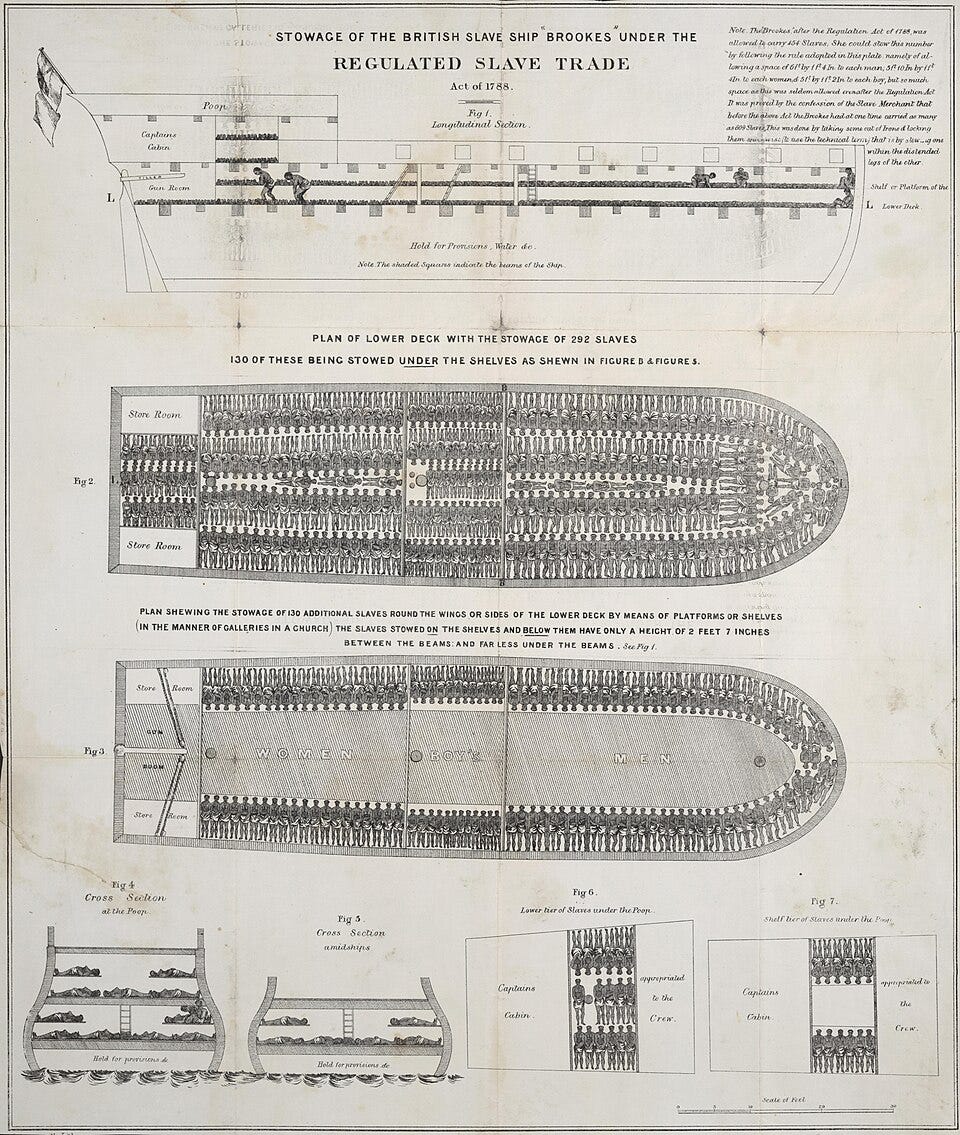
Be they slaves or Irishmen, for the duration of a voyage that rarely took less than a month, they travelled in “coffins.” Herman Melville, a deckhand on such a ship in 1849, described below deck as a “cesspool.” Typhus and dysentery raged. Among the Irish, it was not uncommon for at least a third of the passengers to die, thrown overboard without ceremony, as were enslaved Africans.
No comparison, but a sad image in my heart. I see my father in red plaid bathing trunks, on his knees, his back bare, cleaning up my vomit from the deck of a luxury yacht, circa 1960, that belonged to his boss. On his knees, humiliated by those who had more money and stability, my father did what he had to do to survive.
Since the creation of the United States, our nation has had more than twenty Presidents who can trace their roots back to Ireland. John F. Kennedy and Joe Biden are the only Catholics among them, and so far, Barack Obama has been the only African American President. Among spiritual leaders, Martin Luther King surely walks in the Count’s footsteps. Together, people from around the world, men and women of all races and backgrounds, built a great but imperfect nation.
Now I ask myself, what must we do to survive when we are lost at sea?