

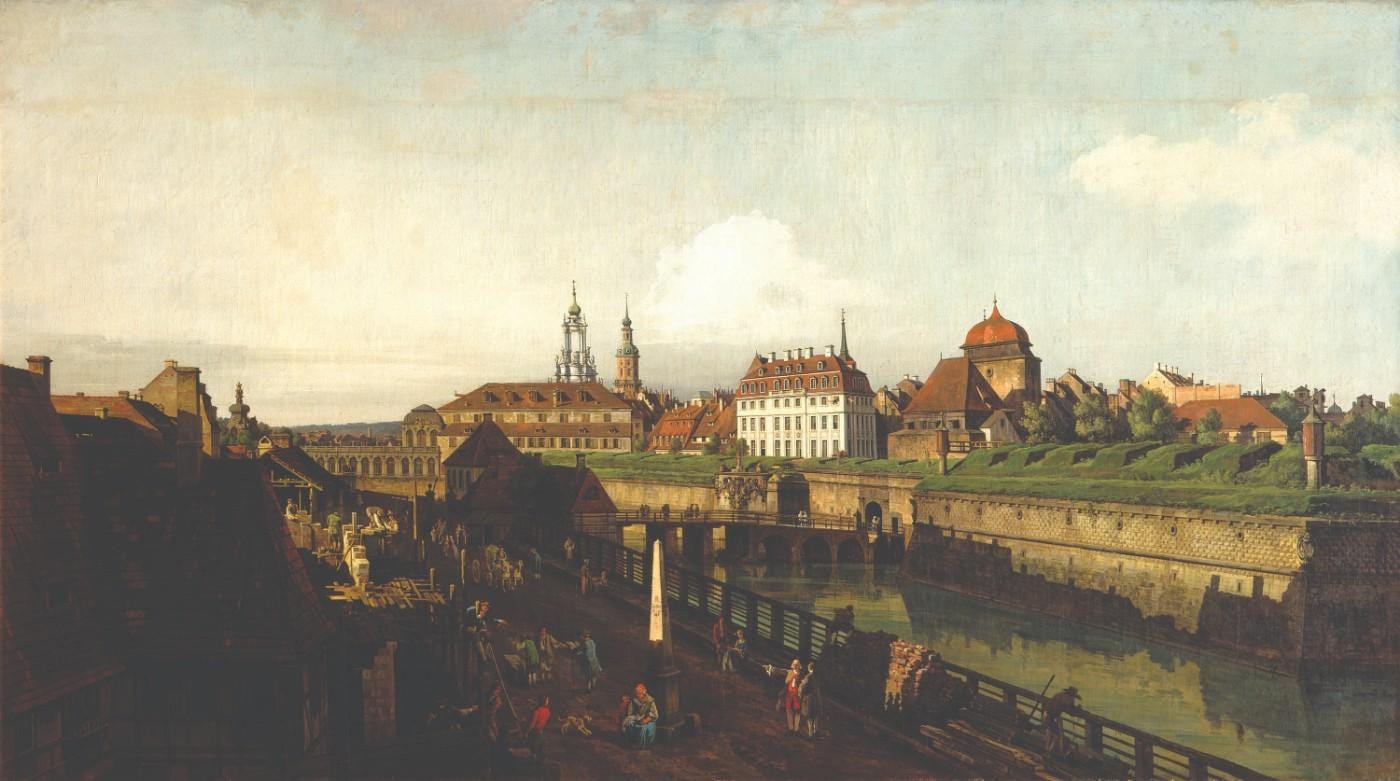
First there is the birth. May 26, 1700. The boy belongs to a new century. He is born into a world that, one hundred years later, will have ceased to exist. His name is long and pompous-sounding, Graf Nikolaus Ludwig von Zinzendorf und Poppendorf. By birth, he is count, baron and lord. His father is a minister of the Court of Saxony, part of the Holy Roman Empire of Germany. His mother, a learned woman who has mastered Greek, Latin and several European languages, belongs to the House of Gersdorff, one of the oldest families of the German aristocracy.
An auspicious beginning.
Six weeks after the boy’s birth, his father Georg Ludwig dies of a stroke at age 38.
In those long-ago days, many died young. A fever could kill, or childbirth, or war, or famine. They were the stuff of daily life, for the privileged and indigent alike. Georg Ludwig had already buried a wife, the mother of a boy and a girl. Now his second wife would bury her husband, but she did not raise her son alone. In fact, she hardly raised him at all, and mother and son spent their lives estranged.
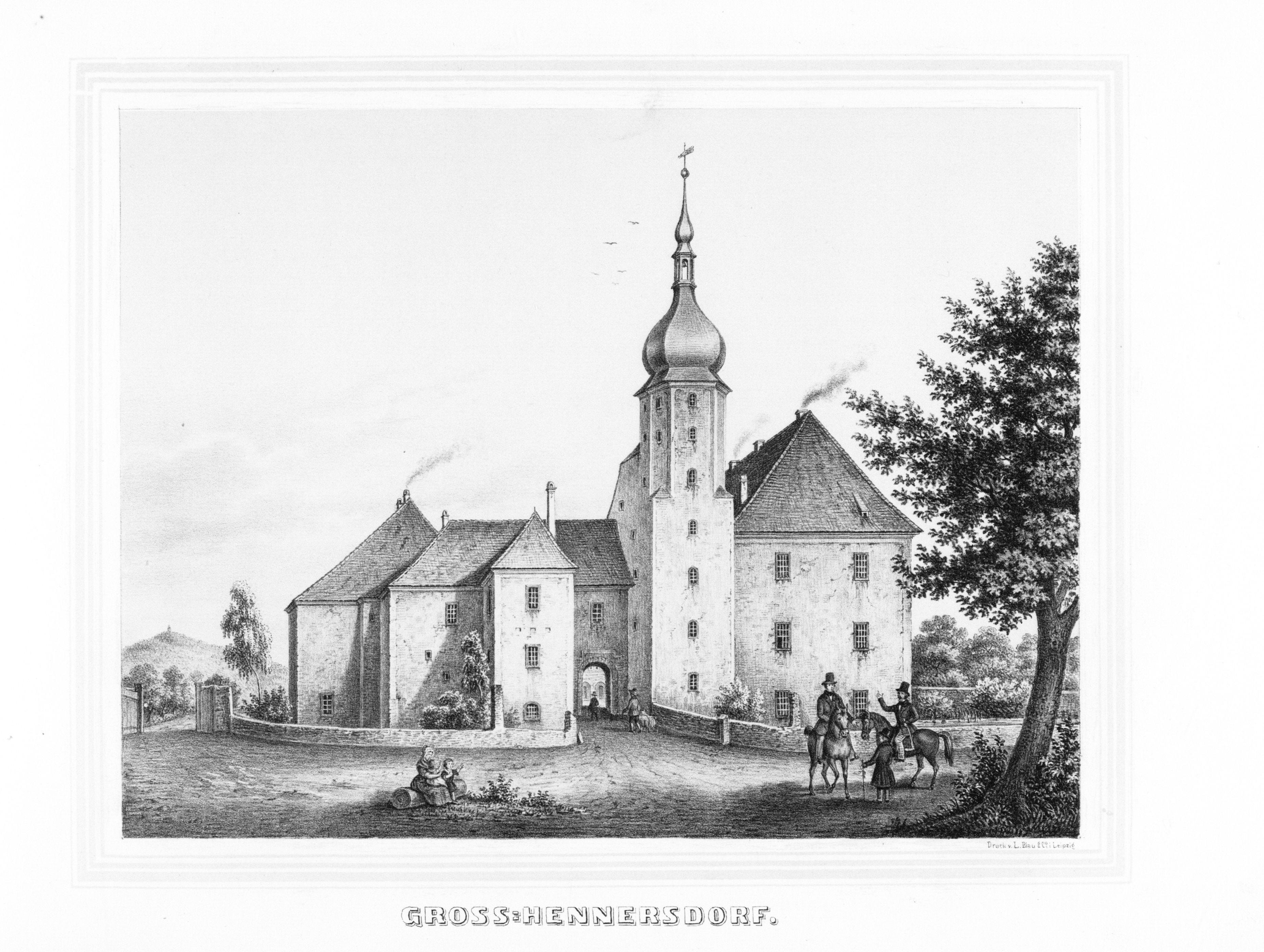
Baroness Charlotte Justina von Gerdorff und von Zinzendorf was 25 years old in 1700. She left her son Nikolaus with her parents, who lived in a manor on their lands in the easternmost part of Saxony, bordering Poland and Moravia. When Count Nikolaus was four, his mother remarried, a Prussian field marshal, and spent the rest of her life in Berlin, rarely seeing her son. As Jane Austen so well understood and would write a century later, a gentlewoman without a husband has no place or power in elite society.
There was nothing unusual about the baroness’s abandonment of her son. Noble parents were often absent from their children’s lives. Nannies, wet nurses, governesses and tutors raised the children. Women often died in childbirth. Puerperal fever was a plague and neither midwives nor doctors understood that germs could be transmitted from their hands to a woman giving birth. Even when the mother survived, she often “farmed out” her child. Small shopkeepers, the wives of craftsman, with too much work to do, left their children with wet nurses in the countryside until they were old enough to fend for themselves. Then the children returned home and worked at their parents’ side.
The boy Nikolaus Ludwig escaped many of those hardships. His grandmother, a pious woman, loved him. The boy was weak and sickly. She watched over him and guided his steps. Before he was four years old, she observed, he had understood the chief points of Christian doctrine. Circumstances made of him a solitary child, but he reveled in solitude and spent many hours alone in the uppermost room of the castle keep.
From those heights, where the sky was near and heaven above, he wrote love letters to Jesus and tossed them from the window, observing the wind, because he knew, on biblical authority, the Spirit blows where it will.
Towards the end of his life, reminiscing about his childhood, Count Zinzendorf wrote, “I heard the voice of Christ repeatedly in my heart, and saw him with the eyes of faith… I felt happy in conversing with him, and grateful for his having remembered me for good in his incarnation.”
How do I know?
I know because I read it in the biography of the Count, written by his North American aid and companion, Reverend Augustus Spangenberg, the very man who introduced the Count to Conrad Weiser. His four-volume biography of the Zinzendorf was published between 1772-1775 in German. In 1838 in London, an abridged English version appeared, translated by Samuel Jackson.
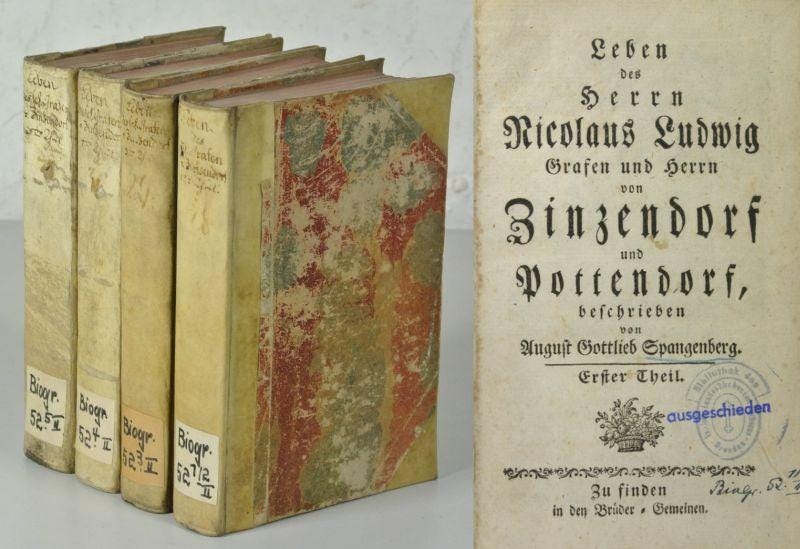
As I read it, I feel pulled in many directions. The style, the descriptions, the quotations from the Count’s diaries, echo the Lives of the Saints. Truly, from a young age, almost from birth, the Count was called to Christ; surely he was destined for an exceptional life. Yet, the first four chapters, a hefty portion of the book, read like an 18th-century “Who’s Who.” It’s like paging through what the French call “le Gotha,” a directory published since 1764, that includes the titled names of all of European aristocracy. The Count died before its first issue, but had he lived, his name would have figured among la crème de la crème.
In 1975 I moved to Los Angeles, which is about as far from Pottsville, PA, that a person can get. Brown smog weighed heavy on the city, cars roared day and night on 8-lane boulevards, and movie theaters, with state-of-the-art sound systems and padded-armchair seats, were everywhere. In one of them, I went to see Stanley Kubrick’s 1975 movie “Barry Lyndon” with Ryan O’Neal and Marisa Berenson. At the film’s end, I walked out of the theater in love with the 18th century.
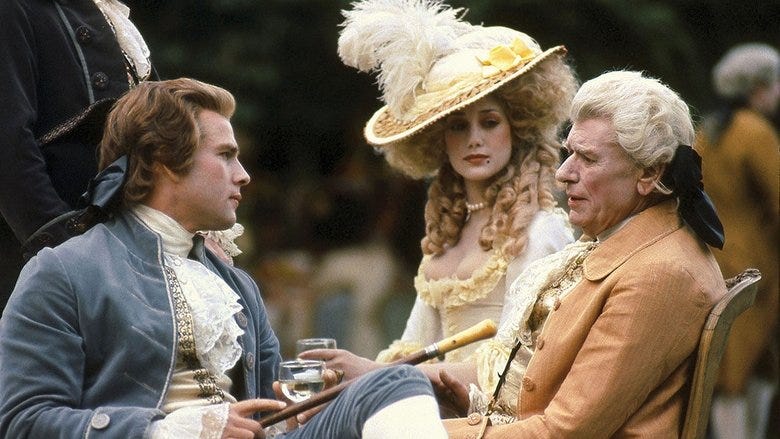
Since then, I’ve read William Makepeace Thackery’s novel The Memoirs of Barry Lyndon, Esq., A Romance of the Last Century, first published in 1844. I loved it even more than the movie. Thanks to Thackery, I understand what it means to be a scoundrel and a rake and I know such a man can possess great charm. That is Barry Lyndon, a poor Irish gentleman who falls and rises, falls and rises again. He marries an heiress, beats his son and dilapidates the family fortune, then ends up in debtor’s prison and dies from drinking cheap alcohol.
Barry Lyndon’s adventures immerse him in war, turmoil and the most select salons of 18th-century aristocratic society. Had he been a real man and not a fictional character, he could have easily rubbed elbows with Count Nikolaus Ludwig von Zinzendorf. The two men, whose beliefs and morals were at antipodes, are both true representatives of their age.
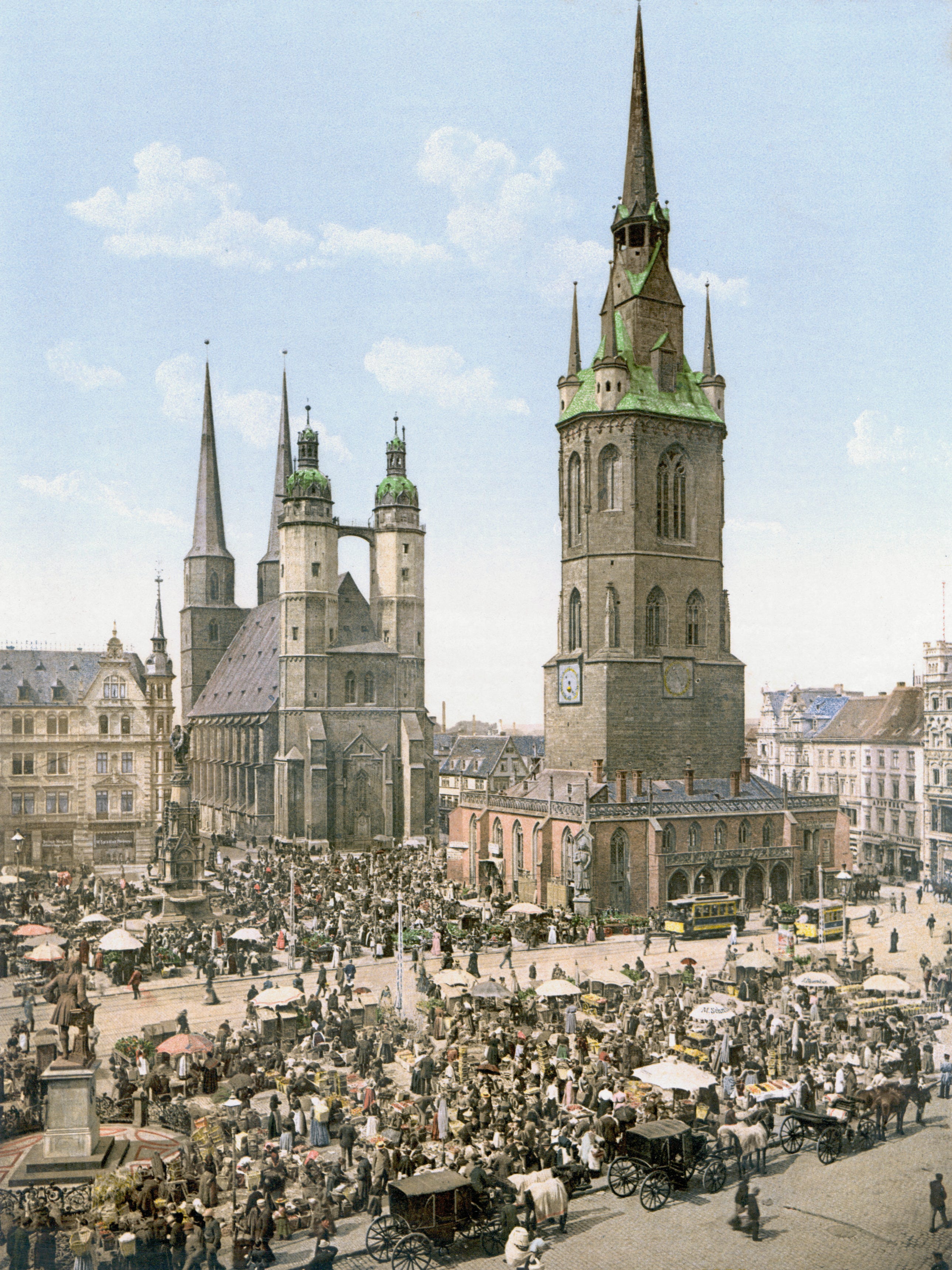
Count Zinzendorf benefited from an education befitting a young aristocrat. When he was ten, with the permission of his uncle, his male guardian, and his mother, who watched over her son’s development from afar, he was sent to the Royal School of Halle, a city near Leipzig, Germany. Halle and its university were the center of the Pietist movement in Germany. Its leader, August Hermann Francke, asked how he, a pious Christian, could work to alleviate suffering in society. The Christian, he believed, must go into the world to make it a better place.
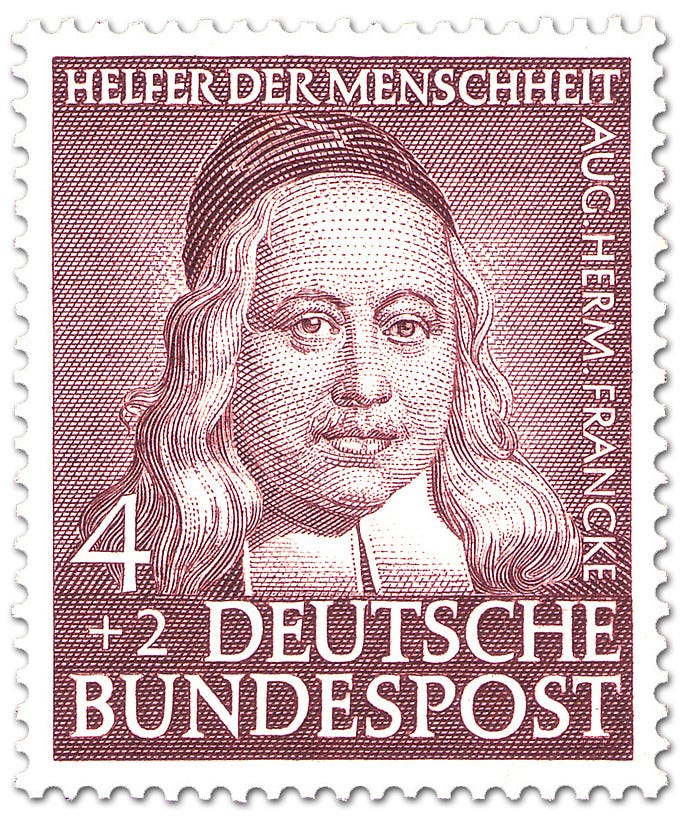
Creating schools for children from all walks of life, Francke became an innovative pedagogue yet, having the young Zinzendorf in his care, he often punished and humiliated him. In those days, not even an enlightened teacher could imagine sparing the rod. Since 1699, Francke had also shown interest in sending disciples to the New World colony of Pennsylvania.
At Halle, besides studying Latin, Greek and other languages, Nikolaus Ludwig began the study of civil law. His first love was theology, all his leisure he devoted to prayer, yet he yielded to the dictates of his family: he was destined to serve the Court of Saxony, as had his father before him. In the world, he prepared for a career as a courtier; in his heart, he continued to seek Christ. He invited likeminded friends to his room and led them in prayer.
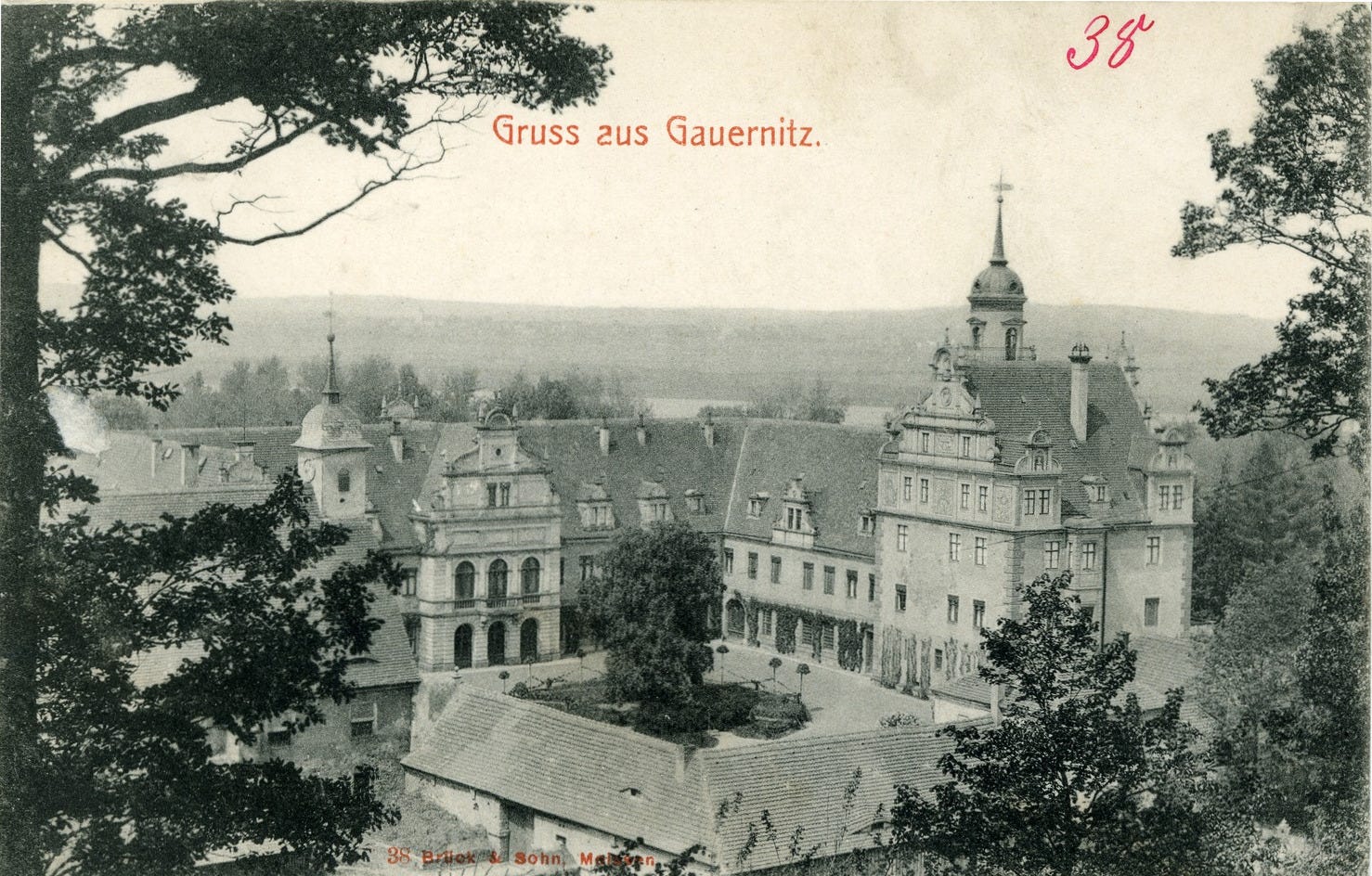
After five years in Halle, in deteriorating health, the young count left the city for his uncle’s home at Schloss Gauernitz on the banks of the Elbe River, a large estate with magnificent orchards with over 260 varieties of fruit trees. Zinzendorf continued his studies in his uncle’s library, combining law and theology. He visited his grandmother. He was growing older, maturing. His uncle, his mother and grandmother agreed. It was time for the Count to begin his European tour and increase his knowledge of the world.
Thus began the period of Zinzendorf’s life where he could have crossed paths with Barry Lyndon, and from what I know of the count’s character, the two might have conversed with pleasure (though I would have cautioned the count to keep one hand on his purse). Curious, openminded, Nikolaus Ludwig moved as easily among rogues as he did among the pious. He visited the gaming rooms of Paris, wrote poetry for princesses, and enjoyed a life of privilege, as behooved a man of his estate. He was received by the best people everywhere and bristled if made to wait in a royal anteroom.
This was the man who would later cross the territory of what is today Schuylkill County, accompanied by his daughter Benigna and Conrad Weiser, far from the palaces of Europe, far from the refinements of European aristocracy.
Count Nikolaus Ludwig von Zinzendorf und Poppendorf is an incredible study in contrasts. He too is part of my Pennsylvania.
But before he journeys across the Atlantic, we will follow him across Europe, while the count basks in the waning light of the splendors of 18th-century aristocratic society.
Après moi, le déluge.